

3 Comforting Lies I Told Myself As a Content Marketer
Content is king?


I spent five years as a marketing generalist at a scaleup. The key focus was always content, content, content.
Content was my religion. Content for SEO. Content for lead magnets. Content for “visibility.”
Pre-AI (i.e. ChatGPT making AI accessible), this was a tedious task - you had to work with your designer and your copywriter and your technical marketer to make sure your content was ready and your campaign was fit to be launched. Lots of manual work and scope for errors; on the flip side the quality was better and creativity was still abundant.
Then AI arrived, and suddenly we could produce more. So naturally, leadership wanted more. “Let’s do 100 blog pieces a month.”
“About what?” I thought.
Just because we could say more didn’t mean we had more to say. But I convinced myself otherwise. Of course we needed more content - I mean more content is always better.
Here are the three lies that kept me comfortable with being a content factory (Bonus: And how I finally broke free.)
Lie #1: “We Need to Be a Thought Leader”
Listicle + Contrarian Opinion + Product Pitch = Brand Growth?
The logic isn’t faulty. Publishing positions you as an expert.
Except thought leadership requires actual thoughts. Controversial concept, I know. 🙃
Most content is recycled consensus—the same “5 Tips for [Thing]” that everyone else published last Tuesday (I am also guilty of the same at times.) I mean with AI slop, your prospects are drowning in generic content.
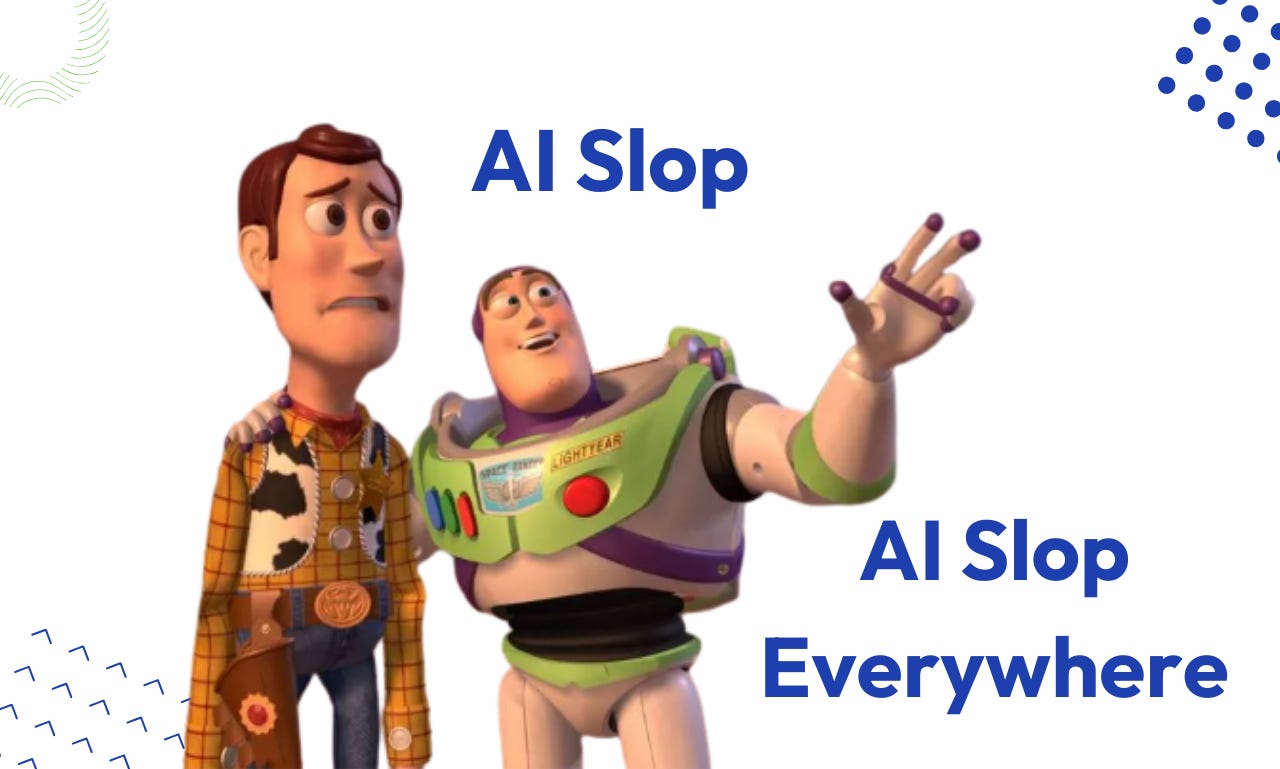
Real thought leadership is expensive, opinionated, and often uncomfortable. Most companies desperately want the reputation without any of the risk.
One question you need to ask yourself is “Would anyone pay for you to share your content, opinions, and thoughts?” If not, why would they sacrifice their attention—the most valuable currency they possess—to consume it?
Lie #2: “All Publicity is Good Publicity”
Content = Visibility = Brand awareness. Right?! Right?
I told myself this while chasing initiatives completely disconnected from what we actually sold. Some people take this too far. Lately, I’ve seen the emergence of “rude content” (and quite frankly downright ridiculous content) as a trend. Why anyone would associate their personal and business brand with this garbage is beyond me. I sincerely hope this dies quickly.
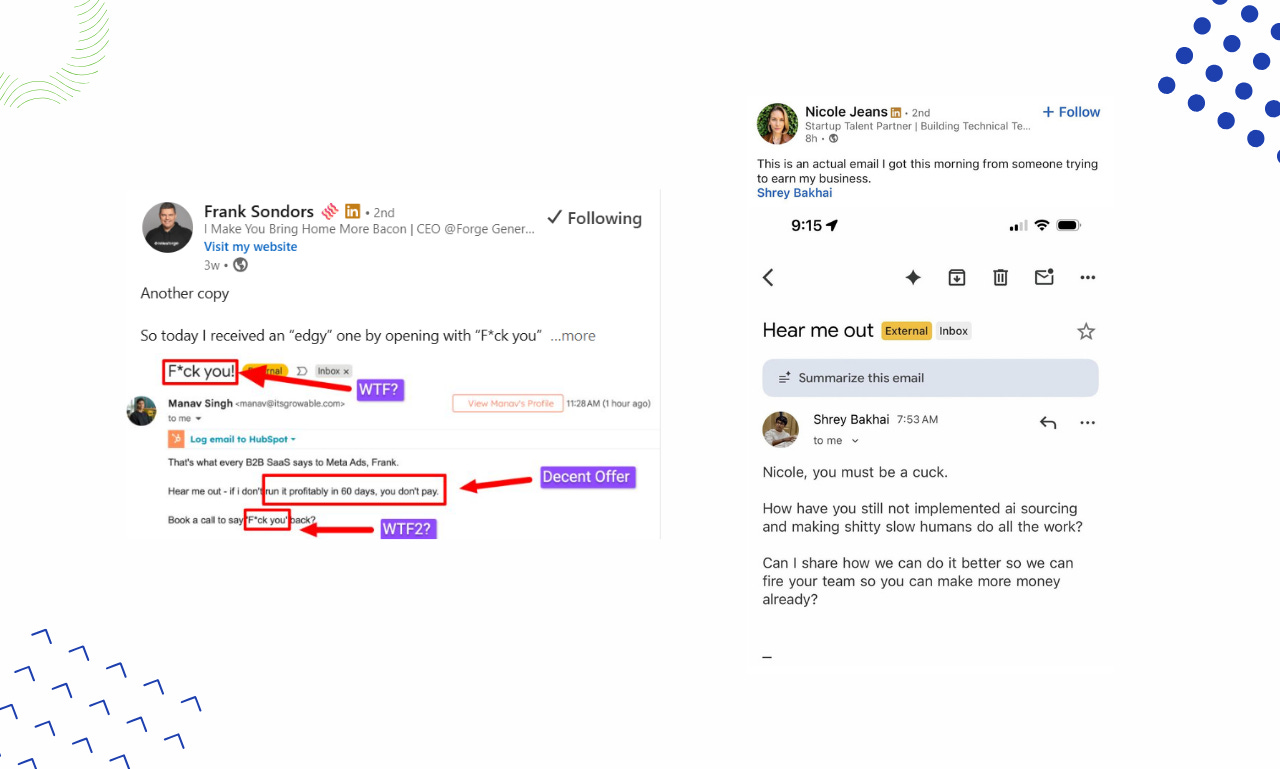
Credits: Frank Sondors and Nicole Jeans on LinkedIn.
Awareness without intent is worthless.
Most B2B buyers don’t discover vendors through blog content. They find solutions through peers, analysts, and highly specific problem searches. Your random thought piece about “the future of work” isn’t moving anyone closer to a purchase decision.
And while posting consistently is good advice, there needs to be a central narrative thread. Each piece should build a cohesive story in your buyer’s mind. A series of disconnected ideas isn’t a content strategy.
Having said that, it is nice to have a campaign once in a while that is just for fun and helps put your brand name front and center in the eyes of the market.
Lie #3: “These Engagement Metrics Look Great!”
Impressions + Clicks ≠ Revenue.
They’re interesting indicators of resonance and relevance, but they are not barometers of success.
Brand is important, absolutely. But pipeline contribution is the main goal of GTM. Any lead that comes directly to your website is a win for your entire go-to-market team—not just marketing’s vanity dashboard.
The most successful content marketers I know track one metric religiously: How many sales conversations started since we launched this content initiative?
Everything else is ornamental.
Books fuel content📖📖 If mine doesn’t annoy you,throw one my way?
What Great Content Actually Does
So what’s the alternative to comfortable lies?
Connection. Great content connects. It either brings out a bold personality that makes people pay attention—like tl;dv’s irreverent brand voice—or gives away genuine value that builds community, like Tom Orbach’s approach.
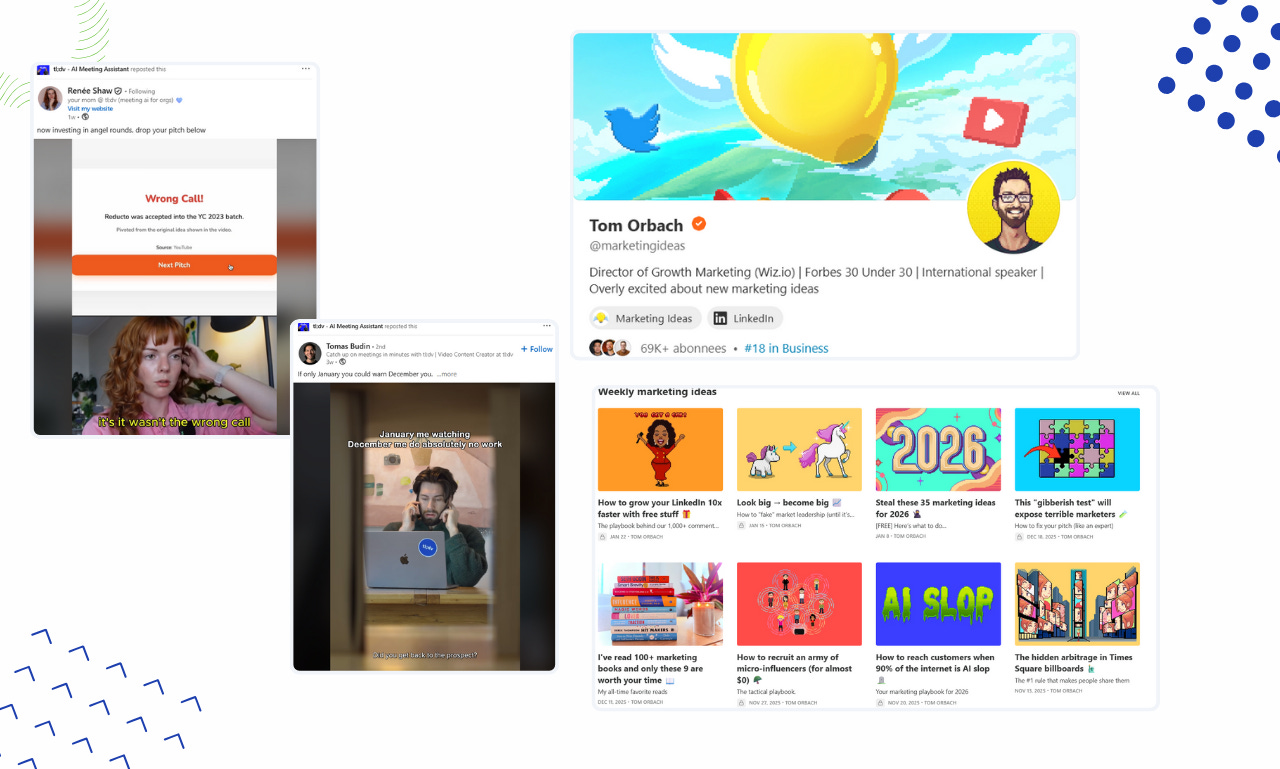
Credits: tl;dv(Renee Shaw, Tomas Budin) & Tom Orbach
Real content mobilizes people. It makes them stop scrolling, lean in, and think: “This person gets my problem.”
To be honest, most of us would be better off publishing one genuinely useful piece per month than flooding the internet with forgettable noise.
Start asking harder questions about what your content is actually doing for your pipeline. Work along with your sales, customer success, and product teams to effectively translate customer problems into enticing content pieces.
This post is free to share. Click the button below.
"A series of disconnected ideas is not a content strategy" If you put this on a polo, please! Shreya, you have so much truth and purpose to your writing that I love. Since content marketing has gotten easier because of AI, it has made us (humans) less intentional about how we use it to be unique, instead of making us like everyone else. Now, I have homework to complete.
This really opened my eyes to how to use AI to be purposeful instead of "more efficient".
Shreya...your honest breakdown of content marketing is a great read!
Everyone's producing more because AI makes it easy.
But quantity without purpose?
It's... just "noise".
You've spent five years inside the "machine" before realizing the whole game was based on comfortable lies.
And more content isn't better.
Better content is better.
The sad reality?
Most companies don't want to hear this honest truth.